

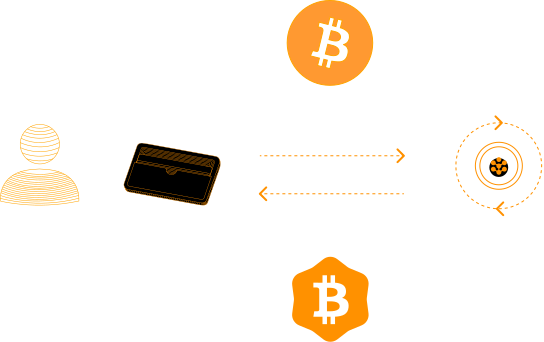
When Bitcoin enters Rootstock, it is represented as rBTC, enabling smart contracts, lending, borrowing, and payments while remaining backed 1:1 by BTC.
Get rBTC now
Why rBTC
Is Different
- Bitcoin-Native Security: Secured by the majority of Bitcoin’s mining power through merged mining.
- Continuous Bitcoin Exposure: Maintains a 1:1 relationship with BTC through Rootstock’s Bitcoin-backed two-way peg.
- Productive Bitcoin: Activate BTC for lending, borrowing, liquidity, and programmable financial applications on Rootstock.
Get rBTC
Atlas is live! Your easiest way to enter Rootstock.
Below, we highlight some popular methods for getting rBTC. See the full list of bridges & exchanges where you can get rBTC by visiting the Rootstock ecosystem page.
Boltz
Boltz is a non-custodial Bitcoin bridge built to swap between different Bitcoin layers like Rootstock and the Lightning Network.
Go to BoltzPowPeg
The PowPeg, is the most direct and native mechanism for acquiring rBTC with your BTC.
Go to PowPeg
Who is PowPeg for?
Web3 native & advanced users.
Not available in the USA & Canada.
Min IN: 0.005
Min OUT: 0.004
No max.
No Kyc.
Fees:
Only network fees
Time:
~16 hours
Need more support? Discover more ways to access rBTC from your region and preferred asset here: Get personalized rBTC options
Want to learn more about rBTC
rBTC is Bitcoin made programmable. Use it for DeFi, gas fees, minting, and swaps across the Rootstock ecosystem.
Questions?
rBTC is Bitcoin represented within the Rootstock network’s programmable execution environment. It maintains a 1:1 relationship with BTC, with each rBTC backed by an equivalent amount of Bitcoin.
rBTC enables Bitcoin holders to access smart contracts, decentralized applications, lending, borrowing, and other financial services on Rootstock while maintaining continuous Bitcoin exposure. It is also used to pay transaction fees and execute operations across the network.
Rather than being a separate asset, rBTC serves as Bitcoin’s settlement representation on Rootstock, allowing BTC to participate in programmable finance and decentralized applications secured by Bitcoin.
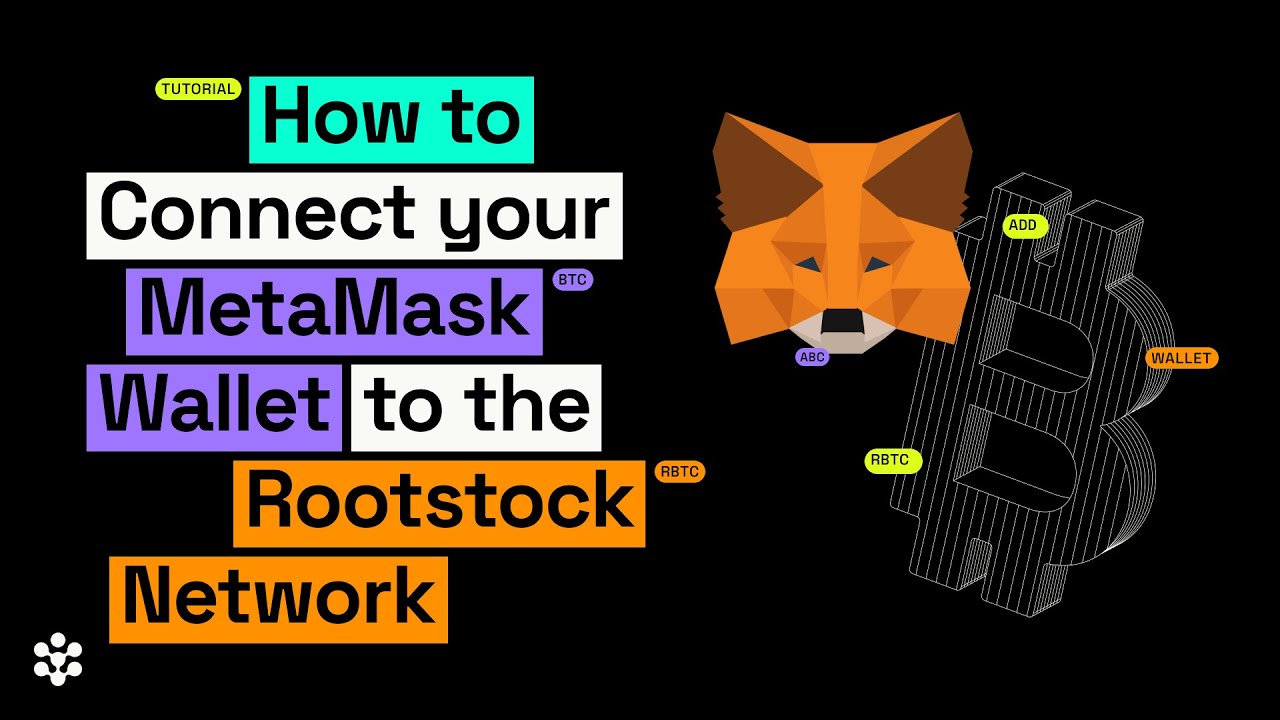
Several popular wallets support RBTC, including MetaMask, Ledger, Trezor, and MyCrypto. See the comprehensive list here.
These wallets allow you to store, send, and receive RBTC seamlessly. To add RBTC to your wallet, you may need to manually add the Rootstock network or import RBTC as a custom token.
To add RBTC to a wallet like MetaMask, follow these steps:
- Open MetaMask and click on the Network Selector.
- Select “Add Network” and click “Add a network manually.”
- Enter the Rootstock network details:
- Network Name: Rootstock Mainnet
- RPC URL:
https://public-node.rsk.co/ - ChainID: 30
- Symbol: RBTC
- Block Explorer URL:
https://explorer.rootstock.io/
- Save the settings.
rBTC is secured through a two-way peg mechanism with Bitcoin and is backed 1:1 by BTC. The Rootstock network leverages Bitcoin’s robust proof-of-work security by using merged mining, where miners secure both Bitcoin and Rootstock simultaneously. This makes rBTC one of the most secure assets in the DeFi space, as it benefits from the massive computational power protecting the Bitcoin network.
The two-way peg enables Bitcoin to be represented on Rootstock as rBTC while maintaining a 1:1 relationship with BTC.
When Bitcoin enters the peg, an equivalent amount of rBTC becomes available on Rootstock, allowing it to interact with smart contracts, lending markets, and other applications across the network. When users exit Rootstock, the corresponding rBTC is removed from circulation and the underlying BTC is released.
The peg is secured by Rootstock’s PowPeg architecture and Bitcoin’s proof-of-work security model, ensuring that every rBTC remains backed 1:1 by Bitcoin. A federation of specialized nodes manages the peg and facilitates movement between the Bitcoin and Rootstock networks.
Converting BTC to rBTC involves transaction fees on both the Bitcoin and Rootstock networks. These fees typically include Bitcoin network transaction fees and minimal network fees on the Rootstock side. Some conversion methods, like using FastBTC may also include a small service fee. It’s important to check the specific platform or service you’re using for the most accurate fee information.
rBTC transactions on the Rootstock network are typically confirmed within 30 seconds to a minute, thanks to Rootstock’s faster block times compared to Bitcoin. This makes rBTC ideal for use in DeFi applications where transaction speed is crucial. However, the actual confirmation time may vary depending on network congestion and the fees paid.
rBTC can be used across Rootstock’s ecosystem of applications and financial services. This includes lending, borrowing, trading, payments, liquidity provision, and interacting with smart contracts on the network.
As the native asset of Rootstock, rBTC is also used to pay transaction fees and execute smart contract operations.
Beyond decentralized applications, rBTC is increasingly being explored as a way to bring Bitcoin into programmable financial infrastructure, enabling new models for Bitcoin-backed lending, treasury management, collateralization, and onchain financial services while maintaining a 1:1 relationship with BTC.