This article is part of Rootstock’s series “Building DeFi on Bitcoin” exploring different solutions and integrations on the Rootstock blockchain that enable scaling Bitcoin, bringing DeFi capabilities to the world’s first blockchain.
Jumper Exchange, the multi-chain liquidity aggregator and one of the top cross-chain DEXs built on LI.FI, has announced that it is now live on Rootstock. This integration bring users a significant improvement in accessing the Rootstock ecosystem.
In this guide, we explore how to bridge to Rootstock using Jumper exchange.
Step-by-step guide to bridging to Rootstock using Jumper Exchange
Step 1: Go to Jumper.Exchange
Step 2: Connect your Wallet
In the top right corner, click “Connect” and select the wallet of your choice.
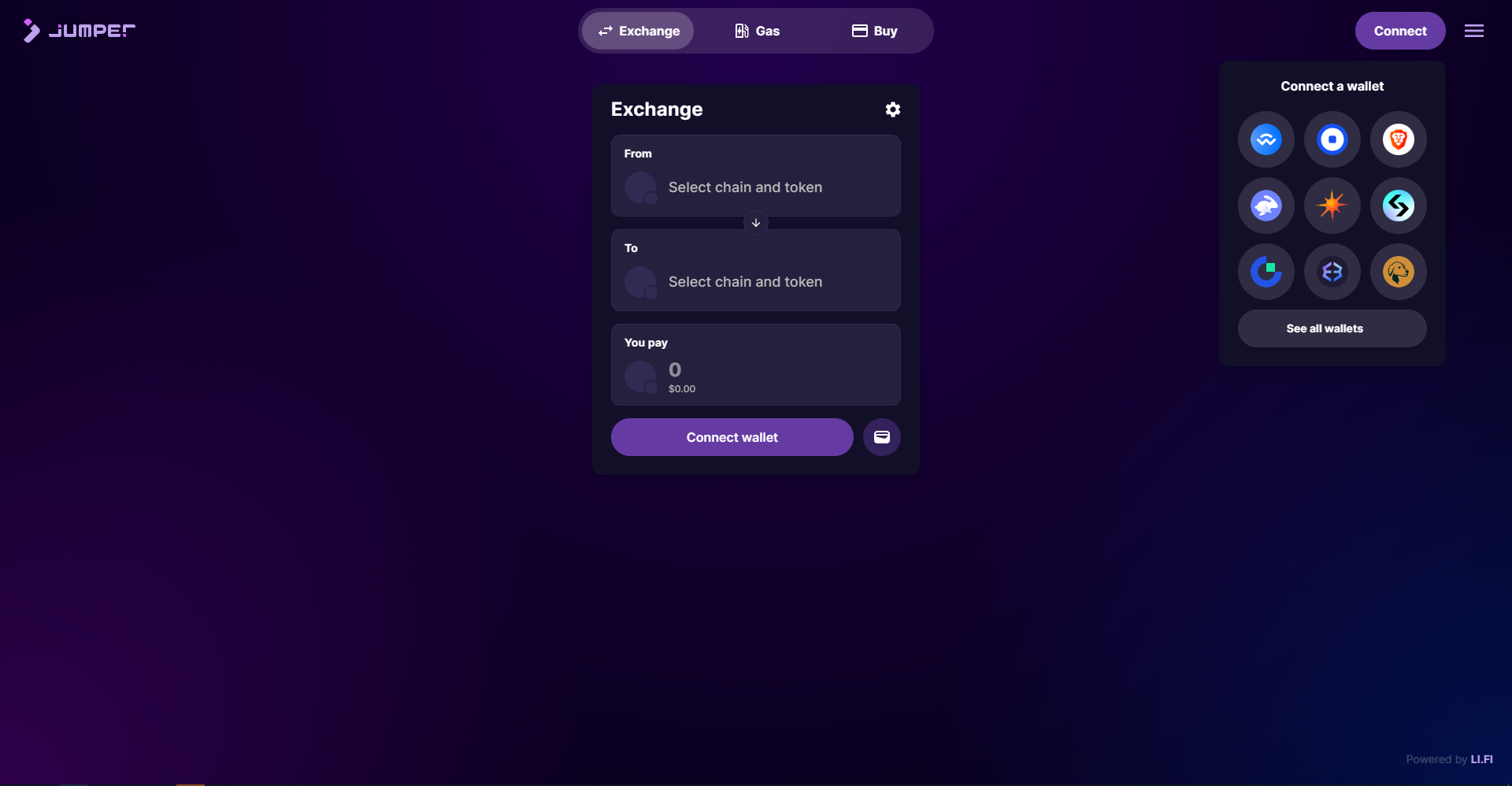
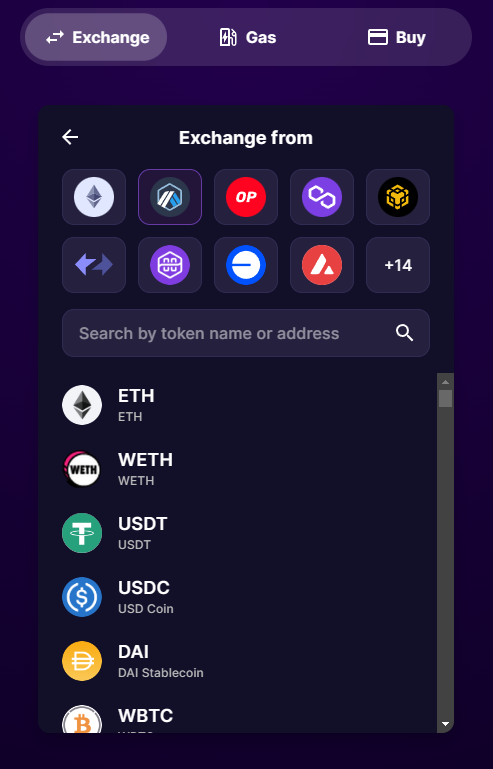
Step 3: Select the “From” Network and Token
Start by selecting the network and token from which you want to bridge to Rootstock in the “From” section.
Note: If the token you want to use is not listed, you can manually add the token contract address.
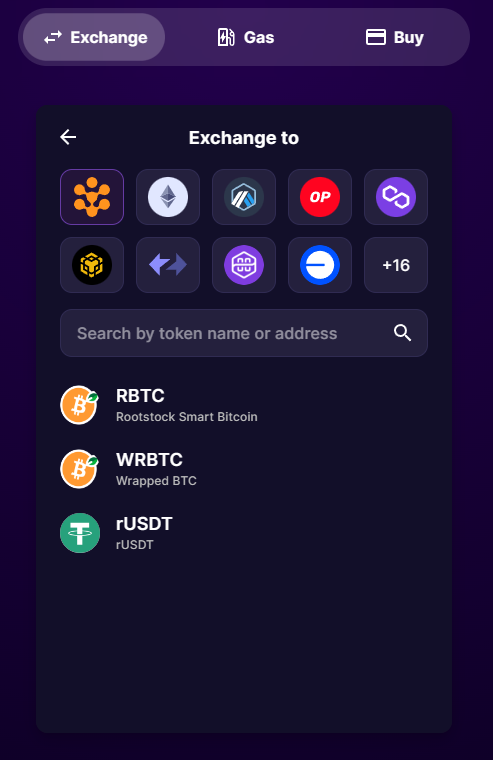
Step 4: Select the “To” Network and Token
In the “To” section, select “Rootstock” and the token you want to receive on Rootstock.
Note: To execute Same-Chain Swaps, select Rootstock as the “From” and “To” chain.
Step 5: Enter the Token Amount and Get Gas
Enter the token amount you want to bridge to Rootstock. If you don’t have gas on Rootstock yet (Rootstock uses “RBTC” to pay for gas), use the “Get gas” feature.
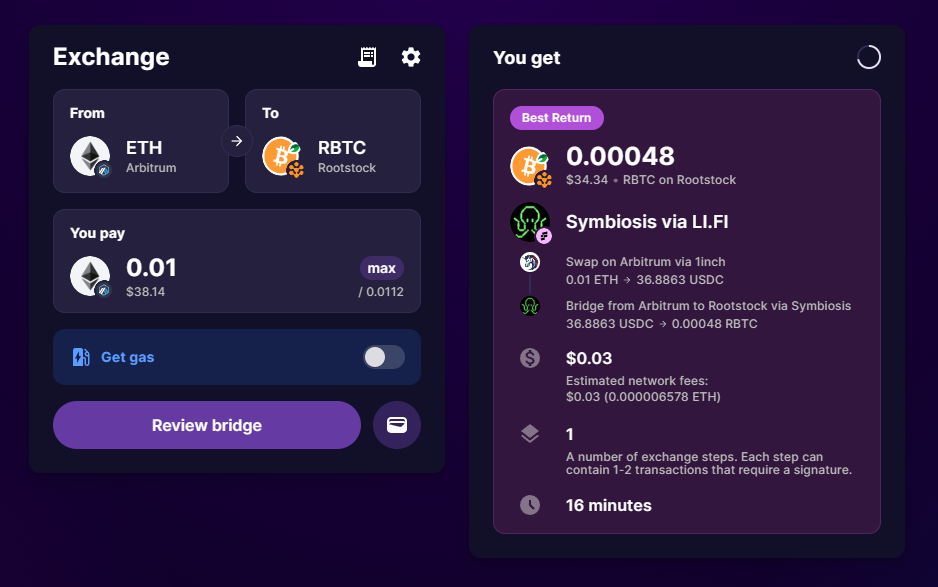
Step 6: Select a Route
Select a route on the right-hand side, or click directly on “Review bridge” to use the recommended route. If you’re happy with the route, click “Start bridging”
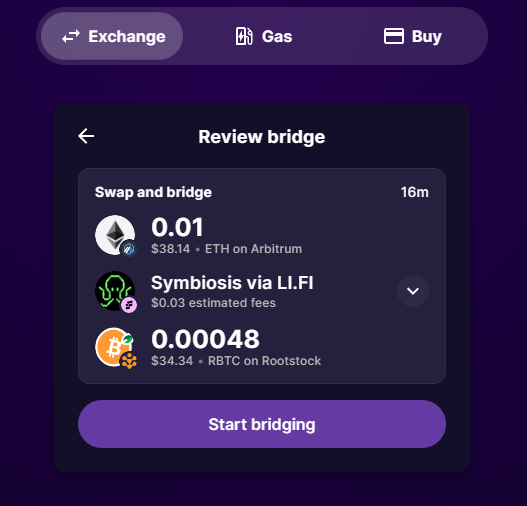
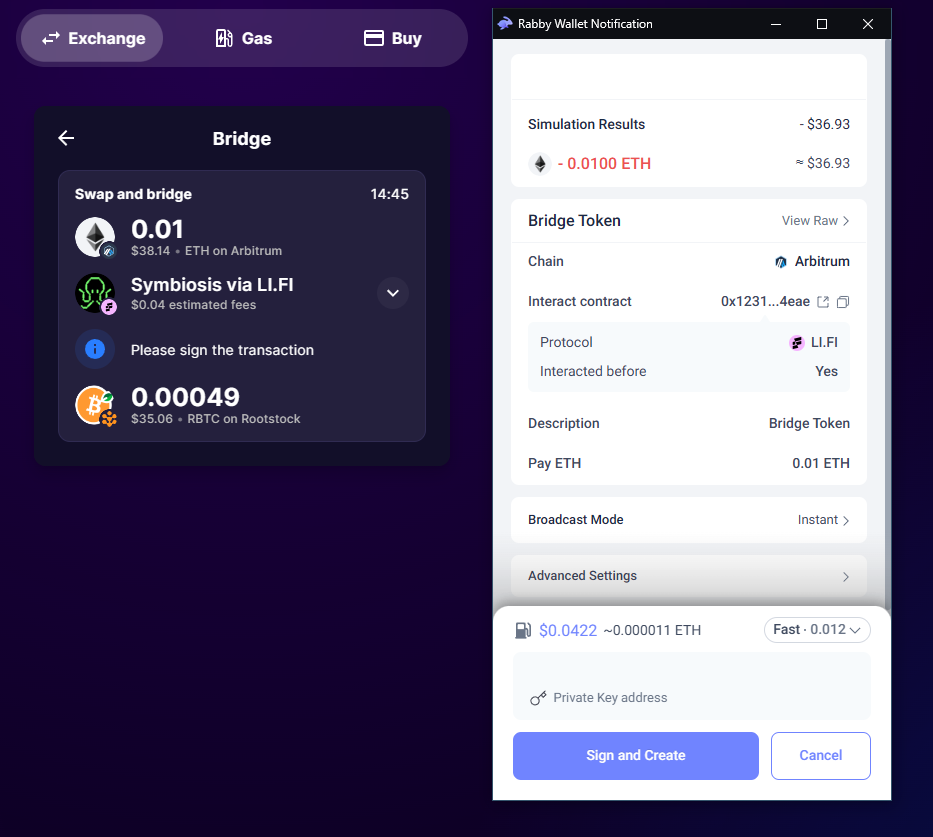
Step 7: Confirm the Bridge Transaction
Confirm the bridge transaction in your wallet. If you’re swapping non-native tokens, you’ll need to approve them first.
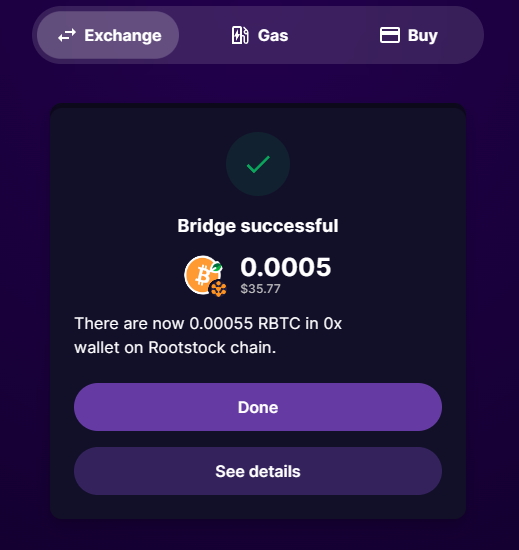
Step 8: Bridge Successful
Your funds have arrived on Rootstock!
About Jumper Exchange
Jumper is Crypto’s Everything Exchange, enabling seamless swap and bridge transactions across 24 blockchains. By aggregating all of DeFi liquidity, Jumper ensures the best routes for any token transaction. With the Jumper Loyalty Pass, our most active group of users earn rewards and exclusive perks, creating the place to be for a community of the most successful Degens.
With over $5.5B in cumulative volume and $1B volume on a monthly basis, Jumper is a major bridge and swap solution in the DeFi ecosystem.
Make. The. Jump at Jumper.Exchange.
Website | X | Discord | Blog | Loyalty Pass
Recommended reading
If you’re looking for dApps to bridge or swap to Rootstock, check out these comprehensive guides:
- Guide to Bridge, Swap, and LP Rootstock on Sushi
- Guide to Seamless Swapping on OpenOcean
- How to Bridge and Swap Rootstock on Symbiosis
Looking for more tips and tricks? Join the Rootstock community on Discord and get your questions answered.